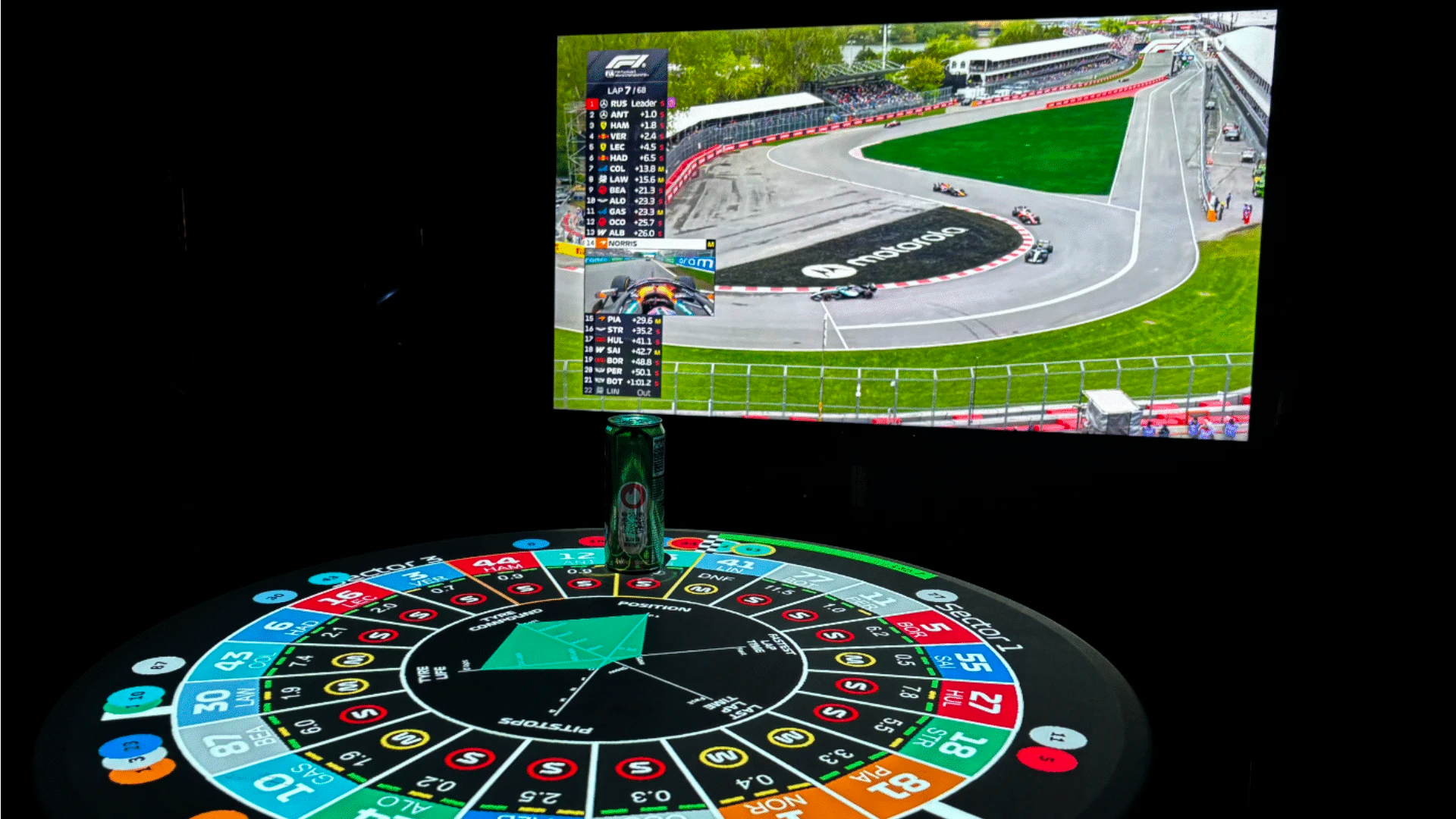
Orbit F1 is een interactieve projectietafel die de Formule 1-kijkervaring in sportbars transformeert tot een sociaal ‘digitaal kampvuur’. Waar fans nu vaak afgezonderd op hun smartphone naar complexe racedata turen, brengt Orbit F1 deze statistieken overzichtelijk en real-time samen op het tafelblad. Door alledaagse fysieke objecten, zoals je drankje, op specifieke interactieve zones te plaatsen, registreert een dieptecamera dit en verschijnen er direct visuele grafieken en AI-gestuurde updates over jouw favoriete coureur rondom het object. Zo slaat de installatie een brug tussen droge telemetrie en gedeeld entertainment, waardoor het strategische steekspel op de baan voor zowel de hardcore data-nerd als de casual sfeerzoeker moeiteloos te volgen is.
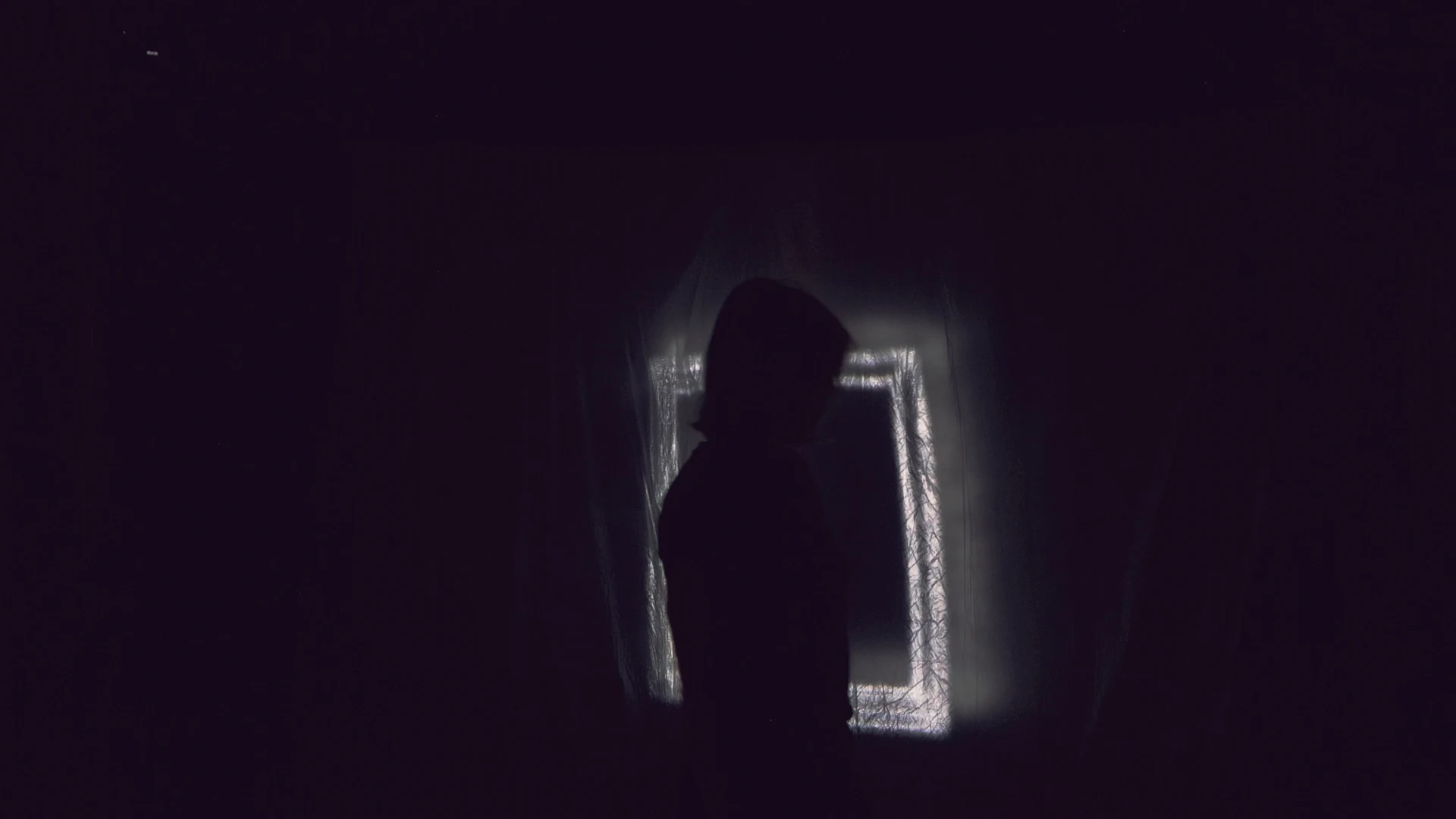
VOID vertrekt vanuit een persoonlijke relatie en onderzoekt wat er gebeurt wanneer de werkelijkheid van iemand die je liefhebt begint te verschuiven. Niet als metafoor, maar als dagelijkse ervaring: de ruimte die plots een andere diepte krijgt. Vervormd beeldmateriaal, persoonlijk geluid en plastiekfolie komen samen in een ruimte die nooit volledig stabiel is. De audiovisuele performance gaat over het leven naast iemand die psychose ervaart. Over hoe je iemand kan kennen en tegelijk het gevoel hebben dat je hen soms niet kan bereiken. Niet omdat ze weg zijn, maar omdat de ruimte tussen jullie soms anders aanvoelt dan woorden kunnen beschrijven. VOID is geen verklaring. Het is een poging om te blijven kijken.
Maker: Sarah Van Remoortel Sound Design: Laura Illoldi Davalos & Tom Falcone
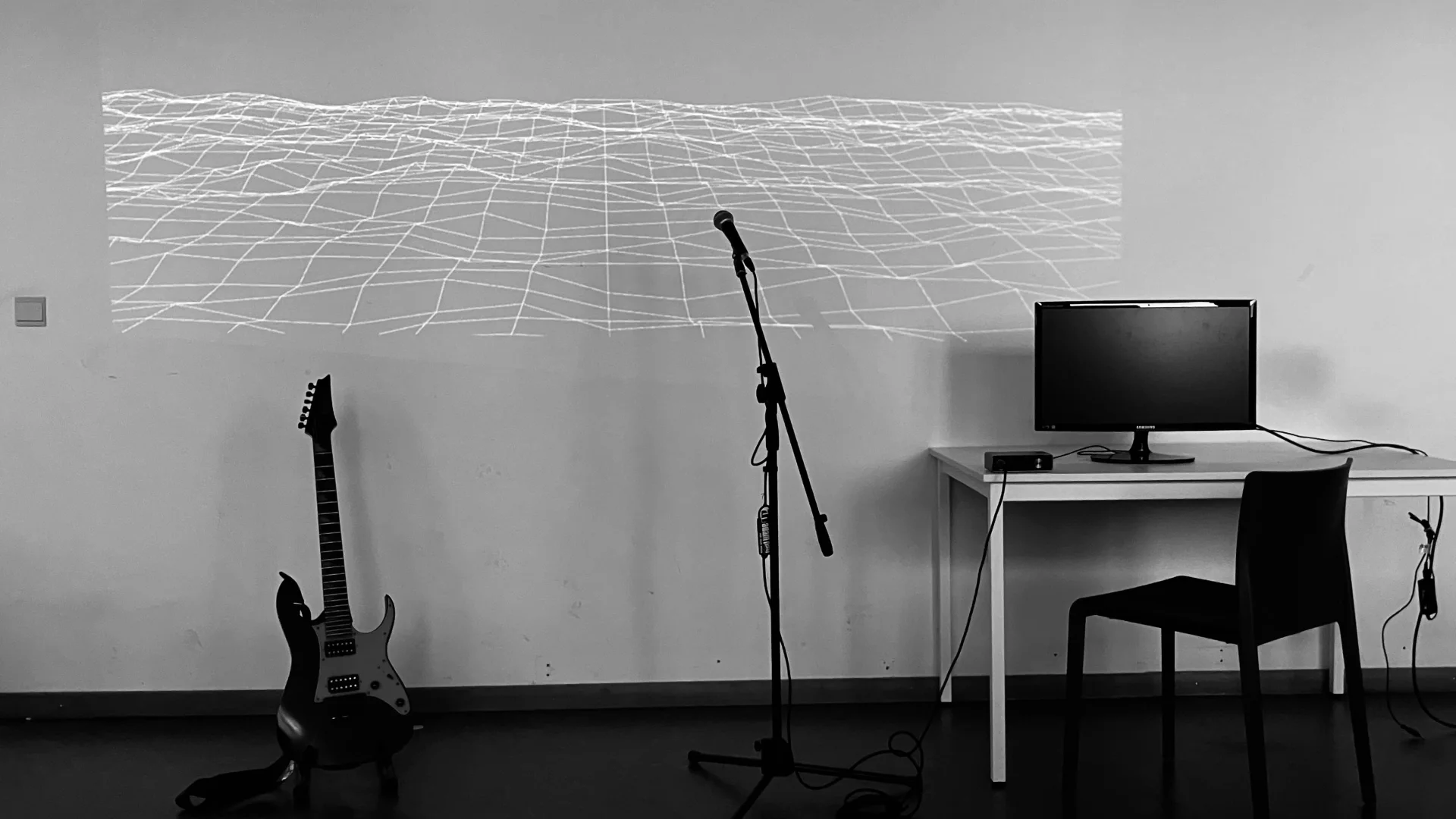
Visual Resonance is een interactieve installatie die live muziek omzet naar een diepgaande visuele dimensie via realtime audio-analyse van harmonie, textuur en muzikale context.
We love the physical elements of K-pop, but the experience is often over too quickly.
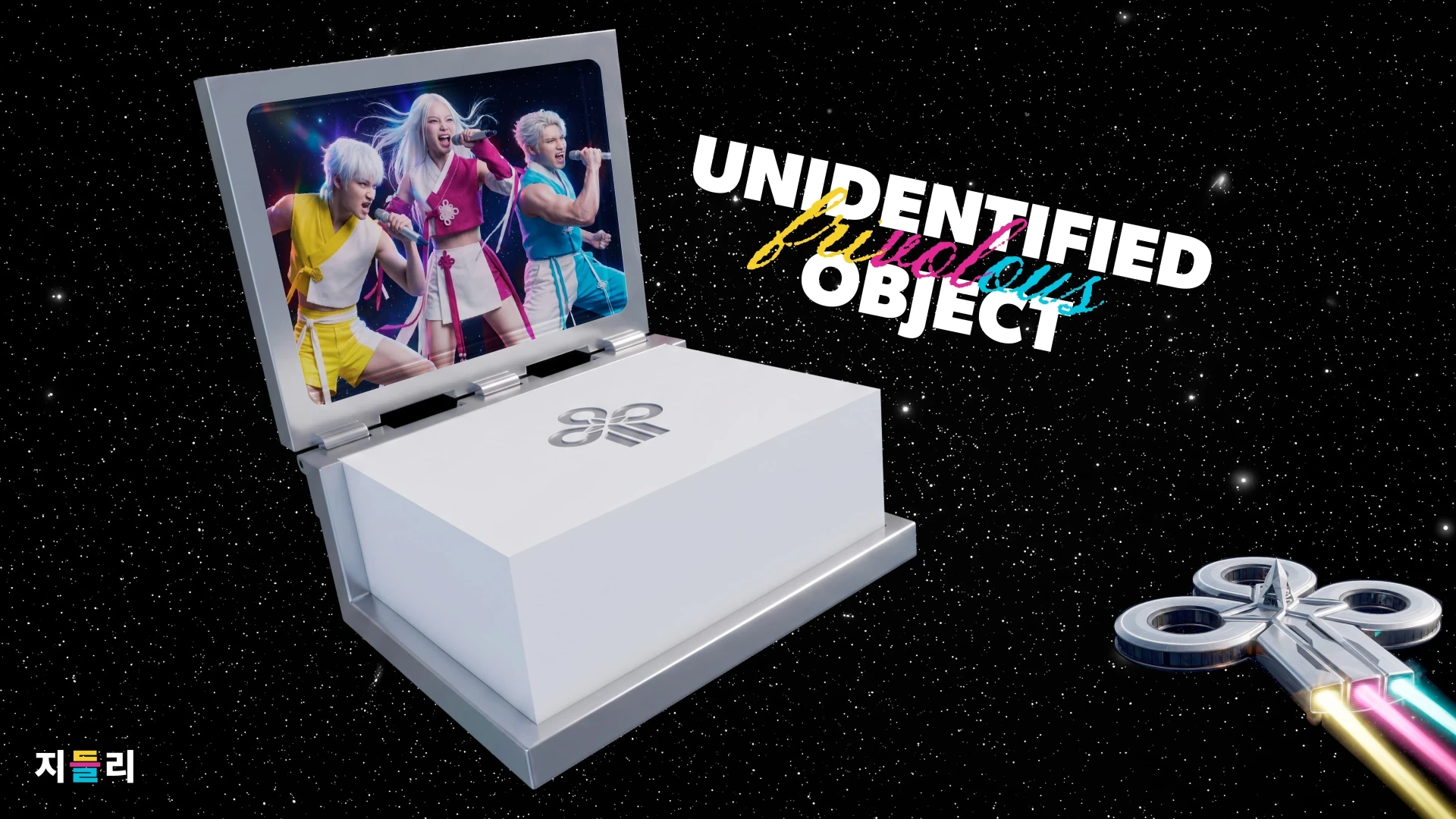
Unidentified Frivolous Object by JIDLI is a new interpretation of fan culture. It transforms the traditional album into a singular, eco-conscious artifact built for a deeper connection. It offers a longer, interactive journey into the music and the artists’ stories, meant to be experienced long after the first listen.
Don’t just collect the music. Step into the world.
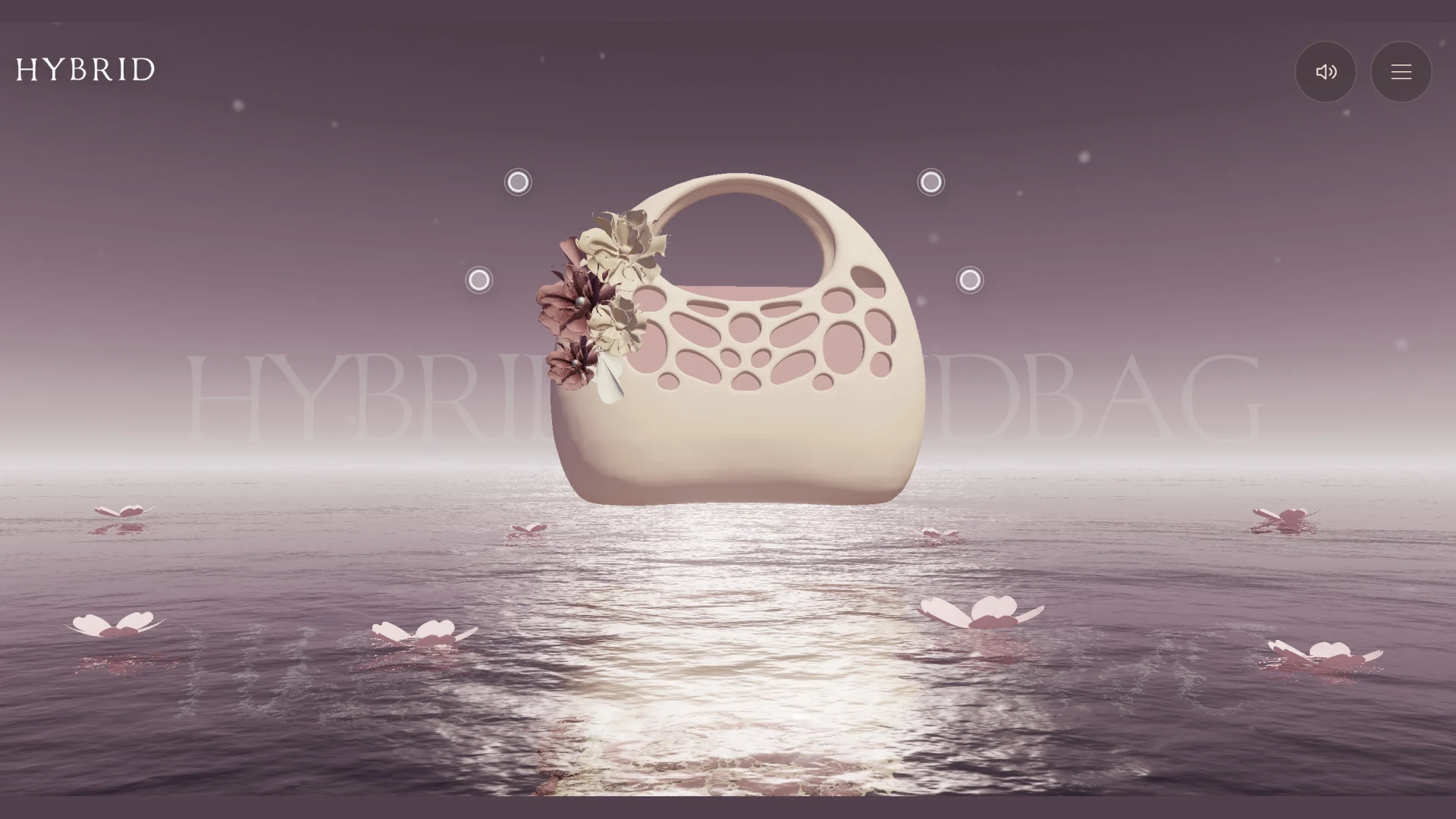
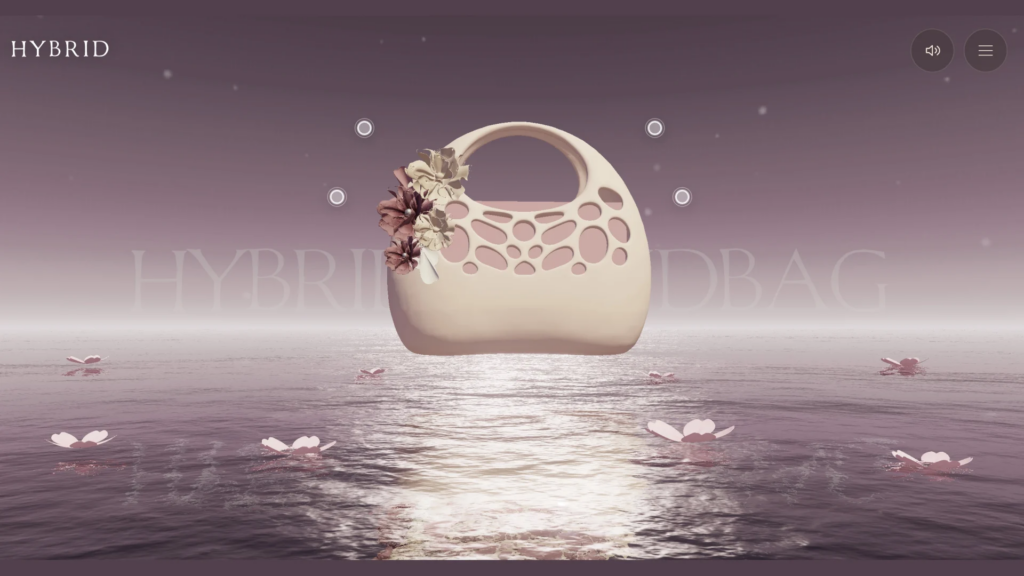
HYBRID is een experimenteel modeproject dat biomaterialen, gerecycleerde materialen en 3D-printing combineert in een duurzame handtas. Het project onderzoekt hoe afvalstromen via design en digitale fabricatie een nieuwe waarde kunnen krijgen.
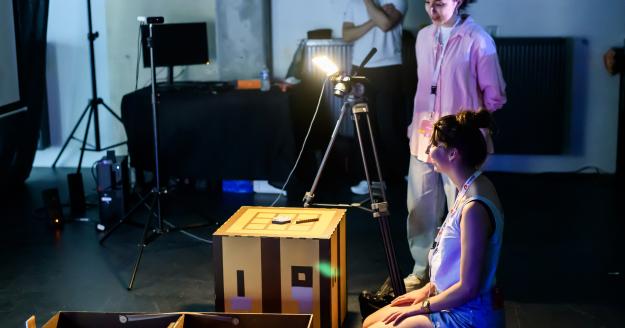
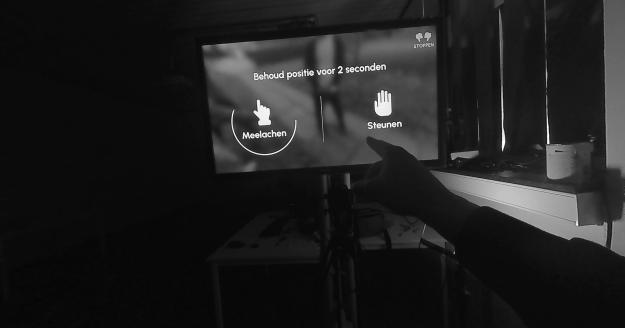
De Impactprijs ging naar Nail LMaimouni voor Step Into The Struggle, een interactieve installatie die jongeren uit kwetsbare buurten op een unieke manier laat nadenken over hun toekomst. Met motion tracking en persoonlijke keuzes weet dit project je echt te raken.
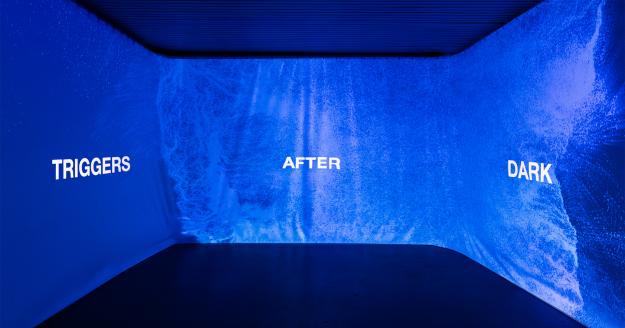
Louis-James Pouleur maakte op het shift festival indruk met Triggers After Dark, een interactieve installatie die je confronteert met de invloed van Instagram-notificaties op jongeren. Dit project viel niet alleen bij de jury in de smaak, maar won ook de publieksprijs. Dubbel gewonnen dus!
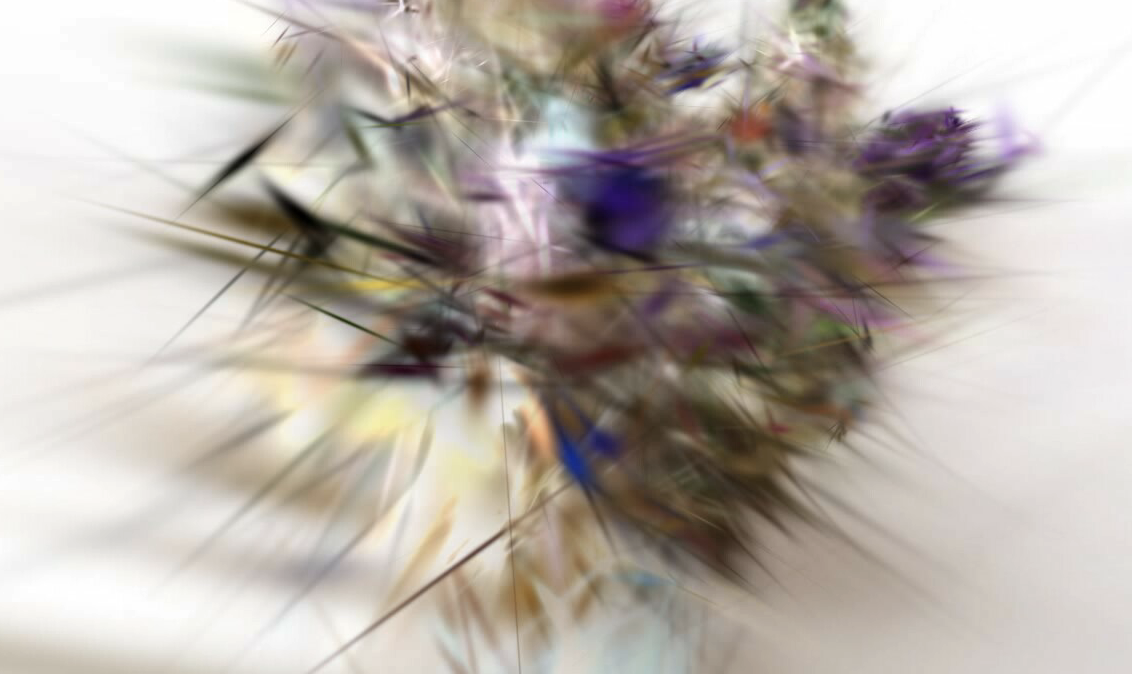
A way to display gaussian splats, even bad ones in touchdesigner.
Workshop coming soon.
So, What Exactly Is a Gaussian Splat?
At its core, a Gaussian splat is a tiny, fuzzy ellipsoid — a 3D blob with a position, a size, a rotation, a color, and an opacity. Render millions of these blobs together, each one contributing a soft splash of color to the final image, and something remarkable emerges: a photorealistic scene you can view from any angle.
The technique was introduced in the 2023 paper 3D Gaussian Splatting for Real-Time Radiance Field Rendering by Kerbl et al., and it quickly took the research community by storm. The reason? It combined two things that rarely come together — visual quality rivaling Neural Radiance Fields (NeRF) and real-time rendering speed.
Why Does It Matter?
Before Gaussian splatting, the dominant approach for photorealistic novel-view synthesis was NeRF. NeRFs are impressive, but they’re slow — rendering a single frame can take seconds, making real-time interactive viewing impractical. Gaussian splatting sidesteps this by representing the scene as an explicit set of primitives that can be rasterized directly onto the screen using fast, GPU-friendly operations.
The result: you can capture a scene with a phone camera, reconstruct it in minutes, and then explore it in real time at high resolution.
Where Is It Going?
The applications are stacking up fast. Virtual and augmented reality experiences can now be populated with true-to-life environments. Film and VFX pipelines are exploring it for digital set extensions and virtual production. E-commerce can let customers inspect products from every angle. And researchers are pushing it further — into dynamic scenes, large-scale outdoor reconstruction, and even editable 3D representations.
Gaussian splatting feels like one of those rare moments when a technique lands that is both simple enough to understand and powerful enough to change what’s possible. The splats are small, but the implications are anything but.